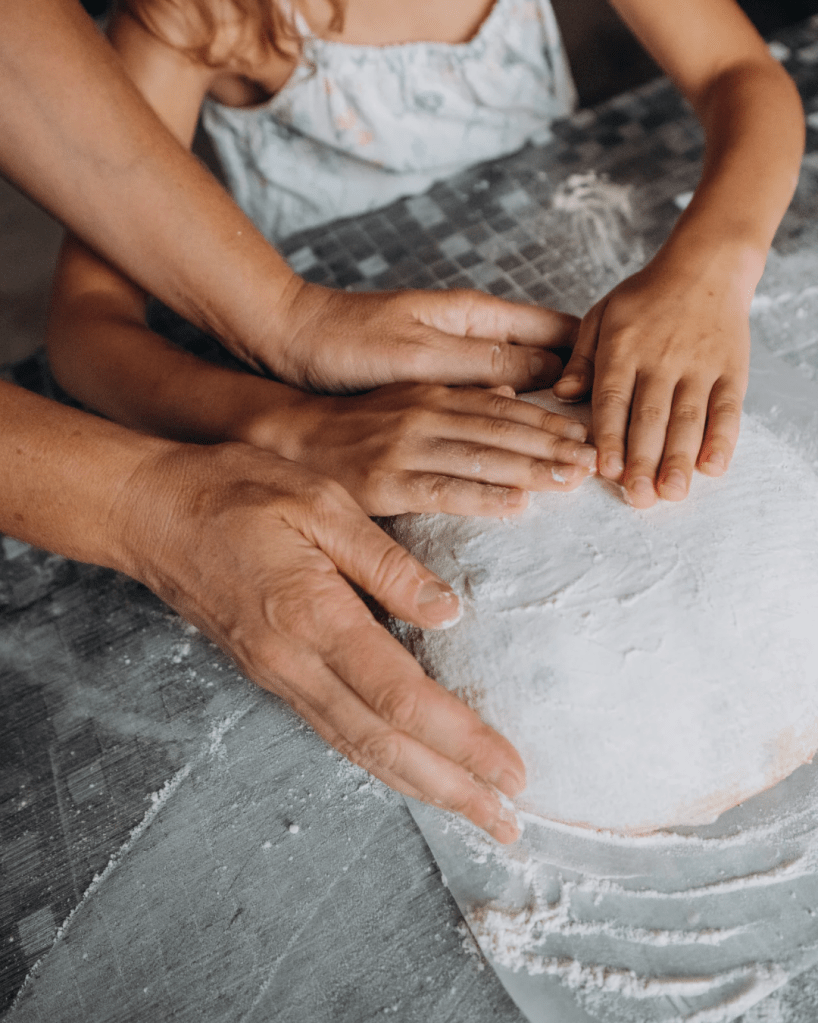
Motherhood- a constant inner struggle between the desire to protect and empower.
As a mom, I am often torn between wanting to do things for my kids, just a little longer and feeling the growing weight of knowing they are old enough to handle things on their own.
I recently came across an article from Christianity Today that resonated deeply with me. Two key points stood out that shed light on how this struggle fits within the broader picture of our calling as mothers.
God Gives Us the Power to Make Choices
The article highlighted a powerful truth: God gives us power to make choices that impact our lives (Romans 2:1,6). As parents, we are tasked with making countless decisions every day on behalf of our children, from what they eat to the values they learn. We guide them, but we also prepare them to make choices for themselves.
As mothers, it’s easy to slip into the mindset of doing everything for our children, wanting to protect them from any possible failure. But there’s a tension in this. God gives us free will because He trusts us to use it wisely. In the same way, it’s important for us to allow our children to have a say in their lives. We must trust them with their own choices even when they make mistakes because this is how they learn and grow.
Bearing God’s Image and Our Responsibility to Community
Another profound insight from the article was the dignity of bearing God’s image (Genesis 1:26-28). As parents, we have the privilege and responsibility to help shape children who reflect God’s character in our communities and the world.
We are raising future adults, neighbors, leaders, and members of a community. This means our decisions have a ripple effect far beyond the walls of our home.
So, every choice we make, whether it’s letting them spill the milk or empowering them to handle challenges, shapes the kind of adult they will become.
What Does This Mean for Moms?
If like me, you’re feeling like you’re constantly caught between wanting to do everything for your kids and knowing you need to let them go, here are a few thoughts that can help guide your journey:
Letting Go is Holy Work
Our desire to hold on just a little longer isn’t wrong. It’s a reflection of love. But it’s important to remember that the goal is to raise children who can stand on their own. God, in His grace, doesn’t suffocate our choices but empowers us to grow. In the same way, we’re called to help our children grow into independent, capable adults.
Parent with Purpose
Every decision we make should empower our children. The act of parenting forward – giving our kids space to make their own decisions and live with the consequences isn’t just an act of love; it’s an act of faith. Trust that our children are capable of growth, and believe in their ability to rise to the occasion.
Grieve the Letting Go, But Celebrate the Growth
It’s okay to feel sadness as our children become more independent. Letting go is hard. But we are not withdrawing love; we are creating room for them to reflect God’s image in their own unique way. This is a sacred part of motherhood: letting them flourish on their own, knowing you’ve done your part in guiding them.
Mirror God’s Love
The ultimate example of love is God’s relationship with us. He gives us freedom to make our choices, but He never leaves us. As a mother, we have the unique calling to mirror that balance of presence and freedom. We’re always there to support them, but we also trust them to walk with God independently.
Final thoughts, motherhood is a divine partnership, where we are given the incredible responsibility of helping to shape future adults who bear the image of God. As we navigate the complex emotions of letting go, remember that it’s not a loss but a gain—for us, for our children, and for the world.



 Cypress And Myrtle