
Revelation 19:11–16 describes a rider on a white horse. He is called Faithful and True. He judges with righteousness and wages war against the enemies of God. His eyes are like a flame of fire, and on His head are many crowns. He has a name written that no one knows except Himself.
Who is this person?
The clue comes in verse 13. He is clothed in a robe dipped in blood, and His name is called the Word of God.
Where have we seen this name before?
The Gospel of John opens with these familiar words: “In the beginning was the Word, and the Word was with God, and the Word was God.” (John 1:1)
Then, in verse 14, we read that the Word became flesh and dwelt among us.
We know this to be Jesus. The Son of God, who came down in human form, fully God and fully man. He came to live among us, to love us, and ultimately, to die for us, to bring us back to God.
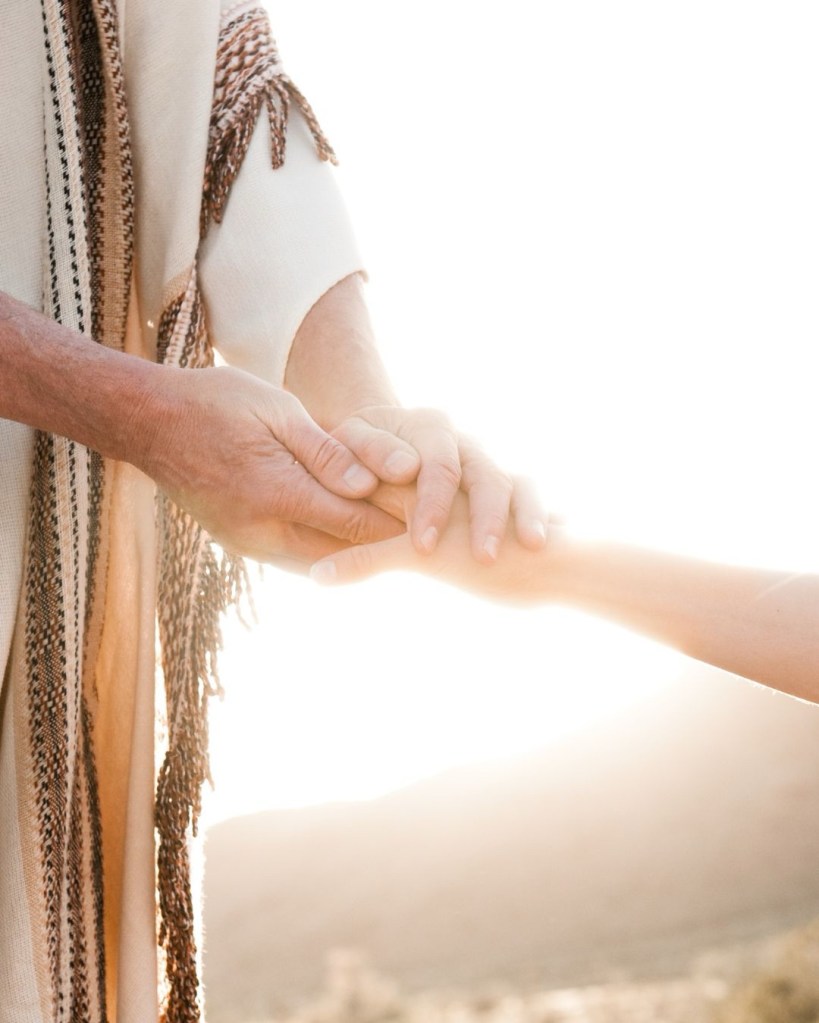
When we think about Jesus, we often think of the Gospels; His life, His teachings, the cross, redemption, and the sacrifice of God for us. We picture the Jesus who walked among ordinary people, touched the sick, welcomed the broken, and sat with sinners.
But when we look through the lens of eternity, we also see the Jesus described in Revelation. The One who rides on a white horse. The One who judges in righteousness. The One whose eyes burn like fire and whose head bears many crowns. The One who is Faithful and True, the Word of God.
This is not a different Jesus. This is who He has always been. It is the same Jesus we read about in the Gospels, in all His glory, majesty, and authority.
In 1 Timothy, He is described as the King of kings and Lord of lords, who alone is immortal and dwells in unapproachable light, whom no one has seen or can see (1 Timothy 6:15–16).
And yet, this God came down to dwell among men.
The One who dwells in unapproachable light made Himself approachable. The One whom no one could see became visible. The One whom no one could touch allowed Himself to be touched. The One who existed before all things entered into our world, into our human lives, so that we might know Him.
And those who encountered Him bore witness to what they had seen and heard, what they had learned and remembered. Their testimonies were written, preserved, and passed down through generations, compiled into the Scriptures we hold today.
We call it the Bible.
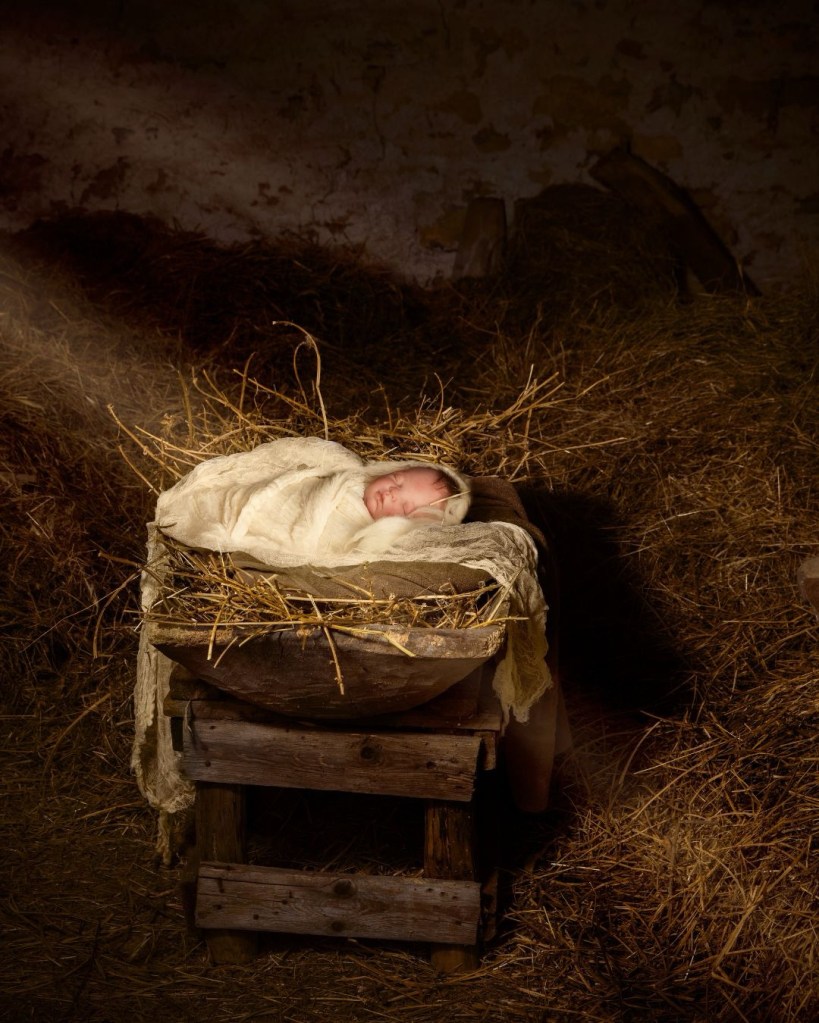
So, this Advent season, I’m reflecting on the child in the manger who is also the rider on the white horse.
And Jesus who came in humility is also Jesus who will return in glory.


Leave a Reply